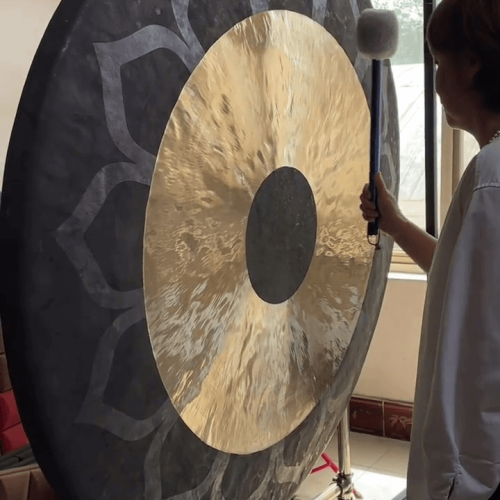
The resonant voice of the gong has echoed through human civilization for millennia, serving as both musical instrument and sacred vessel for spiritual expression. From the ancient courts of imperial China to the concert halls of modern Europe and America, gongs have transcended cultural boundaries while maintaining distinct regional characteristics that reflect their origins and evolution. This comprehensive analysis explores the fascinating dichotomy between Chinese gongs, rooted in thousands of years of traditional craftsmanship and cultural significance, and Western gongs, representing the adaptation and innovation of this ancient art form within contemporary musical contexts.
Understanding the differences between Chinese and Western gongs requires examining not merely their physical characteristics, but the entire cultural ecosystem that shaped their development. Chinese gongs carry within their bronze the accumulated wisdom of dynastic traditions, religious practices, and regional artistic expressions that span millennia. Western gongs, while drawing inspiration from these ancient origins, have evolved through different cultural pressures, technological capabilities, and musical requirements that reflect the unique demands of Western musical traditions.
The significance of this comparison extends beyond academic interest into practical applications for musicians, sound healers, collectors, and cultural enthusiasts seeking to understand how geography, culture, and technology influence the development of musical instruments. As globalization continues to blur traditional boundaries, examining these distinctions becomes increasingly important for preserving cultural heritage while fostering innovation and cross-cultural understanding.
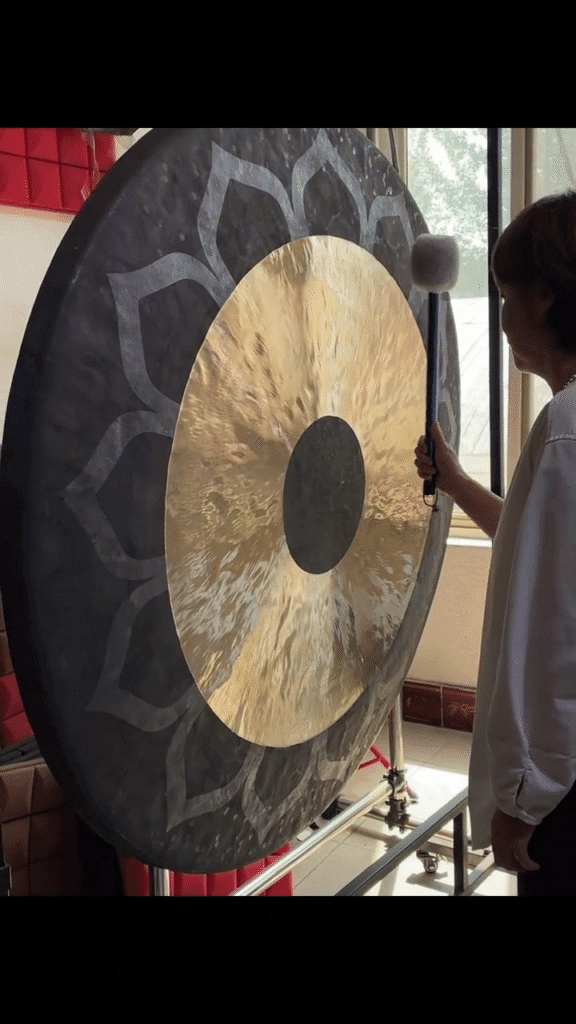
Historical Origins and Cultural Background
Chinese Gong Heritage and Traditional Development
The roots of Chinese gong craftsmanship extend deep into antiquity, with archaeological evidence suggesting bronze gong-like instruments existed during the Shang Dynasty (1600-1046 BCE). These early instruments emerged from the sophisticated bronze-working traditions that characterized ancient Chinese civilization, where metallurgy had reached remarkable levels of sophistication for both practical and ceremonial applications.
During the Zhou Dynasty (1046-256 BCE), gongs began assuming the ceremonial and musical roles that would define their cultural significance for millennia to come. The instruments served multiple functions within Chinese society, from marking time and signaling important events to accompanying religious rituals and theatrical performances. The development of different gong types reflected the diverse needs of various social contexts, with court musicians requiring instruments capable of projecting over large ceremonial spaces while temple practitioners needed gongs that could facilitate meditative and spiritual practices.
The Tang Dynasty (618-907 CE) marked a golden age for Chinese gong development, as increased trade along the Silk Road facilitated both material exchange and cultural cross-pollination that enriched Chinese musical traditions. During this period, regional variations began emerging more distinctly, with different provinces developing specialized manufacturing techniques and tonal preferences that reflected local musical traditions and cultural values.
Regional diversity became a defining characteristic of Chinese gong traditions, with major production centers developing distinctive styles and acoustic signatures. Northern gongs, influenced by the court traditions of Beijing and the surrounding regions, tended toward larger sizes and deeper tones suitable for imperial ceremonies and grand theatrical productions. Southern gongs, particularly those from Guangdong and Fujian provinces, often featured brighter tones and more intricate craftsmanship that reflected the merchant culture and international trade connections of these coastal regions.
The symbolic significance of gongs within Chinese culture extended far beyond their musical applications. In Taoist and Buddhist traditions, gongs represented the voice of heaven, capable of clearing negative energy and facilitating spiritual transformation. The circular shape symbolized completeness and eternity, while the bronze material connected the instrument to the earth element in traditional Chinese cosmology. These spiritual associations influenced both the manufacturing process and the performance practices surrounding gongs, creating a holistic cultural framework that integrated music, spirituality, and daily life.
Western Gong Evolution and Cultural Adaptation
The introduction of gongs to Western culture represents a fascinating case study in cultural transmission and adaptation. European contact with gong traditions primarily occurred through trade relationships and colonial expansion during the 18th and 19th centuries, as European merchants and diplomats encountered these instruments in Southeast Asian and Chinese contexts.
Initial Western interest in gongs focused largely on their exotic appeal and dramatic acoustic impact rather than their subtle musical or spiritual applications. Early European collectors and musicians were drawn to the instruments’ ability to create powerful, room-filling sounds that could add exotic color to Western musical compositions. This initial approach, while limited in its understanding of traditional applications, established gongs as legitimate orchestral instruments within Western classical music.
The 19th century marked the beginning of serious Western engagement with gong craftsmanship and musical applications. Composers like Berlioz, Wagner, and later Puccini began incorporating gongs into their orchestral works, recognizing their potential for creating dramatic climaxes and atmospheric effects that traditional Western percussion could not achieve. This period saw the development of Western-specific gong designs that prioritized volume, projection, and integration with Western orchestral instruments over the more subtle and spiritually-oriented characteristics valued in traditional applications.
The 20th century brought revolutionary changes to Western gong culture through several parallel developments. The rise of world music and ethnomusicology led to deeper appreciation for traditional gong practices and more authentic approaches to performance and construction. Simultaneously, avant-garde composers and experimental musicians began exploring extended techniques and unconventional applications that pushed the boundaries of what gongs could achieve within contemporary musical contexts.
Modern Western gong culture reflects this dual heritage, embracing both respectful engagement with traditional practices and innovative exploration of new possibilities. Contemporary Western manufacturers combine scientific understanding of acoustics and metallurgy with appreciation for traditional craftsmanship, creating instruments that serve both authentic traditional applications and cutting-edge experimental music.
Manufacturing Techniques and Materials
Traditional Chinese Gong Craftsmanship
Traditional Chinese gong manufacturing represents one of the world’s most sophisticated applications of bronze-working technology, involving techniques passed down through generations of master craftsmen. The process begins with careful selection and preparation of raw materials, typically involving specific ratios of copper and tin that vary according to regional traditions and intended applications.
The traditional alloy composition for Chinese gongs generally emphasizes higher copper content, often ranging from 75-85% copper with 15-25% tin, creating bronze with specific acoustic properties that produce the warm, complex tones characteristic of traditional instruments. Some regional traditions incorporate small amounts of additional metals, including silver, iron, or zinc, though these additions remain trade secrets closely guarded by master craftsmen.
The forging process involves heating the bronze to precise temperatures and hand-hammering the metal into shape using specialized tools that have remained largely unchanged for centuries. Master craftsmen develop extraordinary sensitivity to the acoustic feedback during hammering, listening to the changing tone of each strike to guide the shaping process. This intuitive approach creates subtle variations in thickness and density throughout the gong’s surface that contribute to complex harmonic development impossible to achieve through mechanical processes.
Regional manufacturing centers developed distinctive characteristics that reflect local traditions, available materials, and cultural preferences. Suzhou gongs, produced in the Jiangsu province, became renowned for their refined construction and subtle tonal qualities that made them particularly suitable for chamber music and intimate performances. Chaozhou gongs from Guangdong province developed reputation for their bright, penetrating tones that could cut through the complex musical textures of Chaozhou opera and folk ensembles.
The decorative aspects of traditional Chinese gongs reflect the integration of visual and acoustic arts that characterizes much of Chinese artistic tradition. Hand-engraved patterns, often featuring dragons, phoenixes, or geometric designs, serve both aesthetic and acoustic functions. The raised and recessed areas created by engraving subtly affect the instrument’s vibrational patterns, contributing to the overall acoustic signature while connecting the instrument to broader cultural and spiritual traditions.
Quality control in traditional manufacturing relies on the accumulated experience and refined sensitivity of master craftsmen rather than mechanical testing equipment. Experienced makers can assess a gong’s quality through visual inspection, tactile examination, and acoustic testing that reveals subtle characteristics invisible to mechanical analysis. This human-centered approach creates instruments with individual personalities and acoustic signatures that reflect both the maker’s skill and the unique properties of each piece of bronze.
Modern Western Manufacturing Approaches
Western gong manufacturing embraces scientific understanding of metallurgy and acoustics while adapting traditional techniques to contemporary production requirements. Modern Western manufacturers typically employ more standardized alloy compositions, often utilizing bell bronze formulations containing 78% copper and 22% tin that provide predictable acoustic properties and consistent quality across production runs.
The integration of scientific methodology into gong manufacturing enables precise control over variables that affect acoustic performance. Spectroscopic analysis ensures alloy purity and consistency, while computer modeling helps optimize thickness profiles and shaping patterns for specific acoustic goals. This scientific approach allows Western manufacturers to create instruments with predetermined characteristics while maintaining quality control standards appropriate for professional musical applications.
Contemporary Western manufacturing often combines traditional hand-forging techniques with modern precision tools and quality control systems. While many premium Western gongs still receive extensive hand-finishing, the initial shaping process may utilize hydraulic presses or other mechanical forming methods that ensure dimensional accuracy and reduce the time required for skilled handwork.
Environmental controls in modern Western manufacturing facilities enable consistent working conditions that affect both the bronze’s properties and the craftsman’s ability to work with precision. Temperature and humidity control ensures that the bronze behaves predictably during forming, while proper ventilation and safety equipment protect workers from the health hazards associated with metalworking processes.
Innovation in Western gong manufacturing includes experimentation with alternative alloys, surface treatments, and construction techniques that expand the range of available sounds and playing characteristics. Some manufacturers explore titanium, steel, or exotic alloy compositions that create unique acoustic signatures impossible to achieve with traditional bronze. Others develop specialized surface treatments or mounting systems that enhance specific performance characteristics.
Material Composition Analysis
The metallurgical differences between Chinese and Western gongs reflect both cultural preferences and technological capabilities that influence acoustic characteristics in significant ways. Traditional Chinese bronzes often emphasize the warmth and complexity that comes from higher copper content and the subtle variations that result from traditional smelting and alloying techniques.
Chinese gong bronzes frequently contain trace elements that result from traditional smelting methods, including small amounts of lead, iron, or other metals that affect both the workability of the bronze and its acoustic properties. These trace elements, while unintended in modern terms, contribute to the unique character of traditional instruments and cannot be easily replicated through modern alloy control methods.
Western gong alloys typically prioritize consistency and predictability, utilizing purified metals and precise alloy ratios that ensure reliable acoustic performance across production runs. The emphasis on standardization serves the needs of professional musicians who require instruments with known characteristics and reliable performance in demanding musical contexts.
The acoustic implications of these material differences extend beyond simple tonal characteristics to include factors like sustain duration, harmonic development, and response to different playing techniques. Higher copper content generally produces warmer, more complex tones with longer sustain, while more precise alloy control enables optimization for specific frequency ranges or playing applications.
Understanding these material differences helps explain why traditional Chinese gongs and contemporary Western instruments serve different musical and cultural functions, with each approach representing valid solutions to different sets of requirements and priorities within their respective cultural contexts.
Design and Structural Features
Traditional Chinese Gong Forms and Classifications
Chinese gong classification represents a sophisticated system that categorizes instruments based on size, shape, construction method, and intended application. This taxonomy reflects centuries of refinement and specialization that created distinct instrument types serving specific musical and cultural functions within Chinese society.
Flat gongs (ping luo) represent the most fundamental category, featuring relatively flat surfaces with minimal raised central areas or rim modifications. These instruments typically produce clear, penetrating tones with quick attack and controlled sustain that make them suitable for rhythmic applications and ensemble playing where precise timing and clarity take precedence over extended resonance.
The construction of flat gongs involves careful attention to thickness distribution, with most traditional examples featuring subtle variations that create optimal vibrational patterns. The rim area typically receives special attention during manufacturing, as this region significantly affects both the instrument’s structural integrity and its acoustic characteristics.
Bowl gongs (bo luo) feature raised central areas that create bowl-like profiles affecting both the instrument’s visual appearance and acoustic properties. The raised center serves multiple functions, providing structural strength while creating complex vibrational patterns that enhance harmonic development and sustain characteristics.
Different regional traditions developed distinct approaches to bowl gong construction, with some emphasizing dramatic central rises that create deep, resonant chambers, while others favor subtle modifications that preserve much of the flat gong’s clarity while adding warmth and complexity to the overall sound.
Small gongs (xiao luo) serve specialized functions requiring portability, precise timing, and bright, attention-getting tones. These instruments often feature proportionally thicker construction relative to their diameter, creating instruments capable of producing powerful sounds despite their compact size.
The acoustic characteristics of small gongs make them particularly valuable for signaling functions, rhythmic punctuation in ensemble music, and applications requiring portable instruments that can still command attention in complex musical environments.
Decorative elements in traditional Chinese gongs serve both aesthetic and functional purposes, with raised patterns, engraved designs, and surface textures affecting the instrument’s vibrational characteristics while connecting it to broader cultural and artistic traditions. Dragon and phoenix motifs carry symbolic significance while their raised profiles create localized modifications to the gong’s vibrational patterns.
Traditional suspension systems reflect sophisticated understanding of how mounting affects acoustic performance. The use of silk cords or leather straps positioned at specific nodal points minimizes vibrational damping while providing secure support for both storage and performance applications.
Western Gong Design Philosophy and Innovation
Contemporary Western gong design emphasizes functional optimization and aesthetic refinement that serves the specific needs of Western musical contexts while maintaining respect for traditional principles. Modern Western manufacturers approach design challenges through systematic analysis of acoustic requirements, performance demands, and manufacturing constraints.
Standardization plays a crucial role in Western gong design, with manufacturers developing consistent size categories, mounting specifications, and acoustic characteristics that enable predictable integration into orchestral and educational settings. This standardization facilitates instrument replacement, ensemble matching, and educational applications where consistency across multiple instruments becomes essential.
The integration of ergonomic principles into Western gong design reflects contemporary understanding of performer needs and safety requirements. Handle designs, mounting systems, and playing positions receive careful attention to minimize physical strain while maximizing acoustic access and control.
Modern Western gongs often incorporate innovative mounting systems that provide superior stability and vibrational isolation compared to traditional suspension methods. These systems typically utilize materials and engineering principles that were unavailable to traditional manufacturers while maintaining respect for the acoustic principles that govern gong performance.
Aesthetic considerations in Western gong design balance respect for traditional forms with contemporary design sensibilities that serve modern performance contexts. The visual integration of gongs into Western musical environments requires attention to factors like stage lighting, audience sight lines, and integration with other orchestral instruments.
Customization options available from Western manufacturers reflect the diverse needs of contemporary musicians and institutions. Professional orchestras may require instruments with specific acoustic characteristics, while educational institutions need instruments that balance quality with durability and cost considerations.
The development of specialized gong types for specific Western musical applications demonstrates the ongoing evolution of design philosophy. Concert tam-tams optimized for orchestral use differ significantly from instruments designed for sound therapy or experimental music, with each application driving specific design innovations.
Acoustic Properties and Sound Analysis
Chinese Gong Tonal Characteristics
The acoustic signature of traditional Chinese gongs reflects centuries of refinement aimed at creating instruments that serve specific cultural and musical functions within Chinese society. The tonal complexity that characterizes these instruments results from manufacturing techniques that create subtle variations in thickness, density, and surface texture throughout the instrument’s structure.
Frequency spectrum analysis of traditional Chinese gongs reveals rich harmonic content that extends well beyond the fundamental frequency, creating acoustic environments that seem to contain entire orchestras of subtle tones. The interaction between fundamental and harmonic frequencies produces beating patterns and combination tones that contribute to the meditative and spiritually transformative qualities valued in traditional applications.
The overtone structure of Chinese gongs typically emphasizes specific harmonic relationships that align with traditional Chinese musical theory and aesthetic preferences. The prominence of certain intervals and frequency ratios reflects cultural preferences for harmonic relationships that support both musical and spiritual applications.
Sustain characteristics in traditional Chinese gongs often feature complex decay patterns where different frequency components fade at different rates, creating evolving acoustic textures that maintain interest throughout extended resonance periods. This temporal complexity supports meditative applications where sustained attention to sound serves contemplative and spiritual purposes.
The dynamic response characteristics of traditional gongs reward subtle playing techniques that bring out different aspects of the instrument’s acoustic personality. Light strikes emphasize higher frequencies and delicate harmonic interactions, while stronger impacts activate deeper fundamental frequencies and more complex overtone relationships.
Regional variations in Chinese gong acoustics reflect different cultural priorities and musical contexts. Northern gongs often emphasize power and projection suitable for large ceremonial spaces, while southern instruments may prioritize subtlety and refinement appropriate for intimate musical settings.
Western Gong Acoustic Engineering
Modern Western gong acoustics benefit from scientific understanding of vibrational mechanics and psychoacoustics that enables optimization for specific performance requirements and musical applications. Computer modeling and acoustic analysis tools allow manufacturers to predict and control acoustic characteristics with precision impossible in traditional manufacturing.
Frequency response optimization in Western gongs often targets specific applications, with orchestral instruments designed for maximum projection and clarity while therapeutic instruments emphasize warmth and harmonic richness. This specialization creates instruments with distinct acoustic signatures tailored to their intended uses.
The harmonic content of Western gongs typically receives careful engineering to ensure appropriate balance between fundamental and overtone frequencies. This control enables instruments that integrate effectively with Western musical ensembles while maintaining the acoustic richness that makes gongs valuable additions to contemporary music.
Sustain duration in Western gongs often receives optimization for specific musical contexts, with some instruments designed for dramatic impact and quick decay while others emphasize extended resonance that supports ambient and experimental musical applications.
Dynamic range considerations in Western gong design address the wide volume requirements of contemporary musical contexts, from subtle atmospheric effects in chamber music to powerful climaxes in symphonic works. This versatility requires careful attention to how the instrument responds across its full range of playing intensities.
Modern Western gongs often incorporate design features that enhance specific acoustic characteristics while maintaining overall musical utility. Edge treatments, surface modifications, and specialized alloys create instruments with unique voices that expand the palette of available sounds.
Comparative Sound Analysis
Direct comparison between Chinese and Western gongs reveals fundamental differences in acoustic priorities and design philosophy that reflect their respective cultural contexts and intended applications. Traditional Chinese instruments typically emphasize complexity, subtlety, and spiritual resonance, while Western gongs often prioritize power, projection, and integration with contemporary musical ensembles.
The attack characteristics of these instrument types show significant differences, with Chinese gongs often featuring more gradual onset that allows harmonic content to develop organically, while Western instruments may emphasize immediate clarity and impact that serves the rhythmic precision required in contemporary music.
Harmonic development patterns differ significantly between traditions, with Chinese gongs typically featuring evolving harmonic relationships that change throughout the sustain period, while Western instruments often maintain more stable harmonic profiles that support their integration into complex musical textures.
Frequency distribution analysis reveals different approaches to balancing fundamental and overtone content, with traditional instruments often emphasizing complex harmonic interactions while contemporary Western gongs may optimize for specific frequency ranges that serve particular musical functions.
The spatial projection characteristics of these instruments reflect different performance contexts, with traditional Chinese gongs designed for specific acoustic environments while Western instruments must perform effectively across diverse concert halls and recording studios.
Playing Techniques and Musical Applications
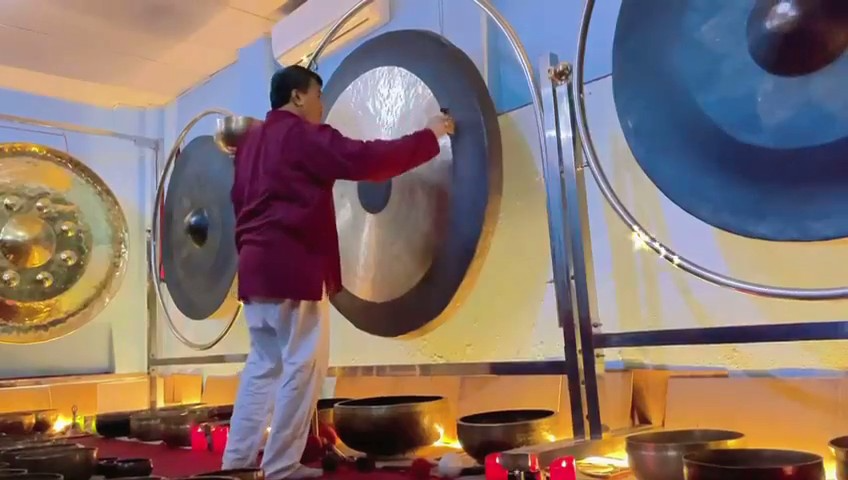
Traditional Chinese Gong Performance Practices
Chinese gong performance traditions encompass a sophisticated system of techniques, timing, and musical contexts that have evolved over millennia to serve diverse cultural functions. The approach to playing Chinese gongs emphasizes sensitivity to the instrument’s acoustic characteristics and respect for the cultural contexts in which performance occurs.
Traditional striking techniques utilize specialized mallets crafted from specific materials that complement the acoustic characteristics of different gong types. Felt-wrapped mallets create warm, enveloping tones suitable for meditative and ceremonial applications, while harder wooden mallets produce bright, attention-getting sounds appropriate for signaling and rhythmic functions.
The concept of timing in Chinese gong performance extends beyond simple rhythm to encompass profound understanding of how sound develops, sustains, and fades in ways that support both musical and spiritual objectives. Traditional players develop sensitivity to the optimal moment for each strike, allowing previous sounds to complete their acoustic evolution before introducing new elements.
Force modulation represents a crucial aspect of traditional technique, with experienced players capable of producing remarkable dynamic ranges through subtle variations in striking force and contact area. This control enables the same instrument to serve multiple functions within single performances, from subtle atmospheric enhancement to powerful dramatic punctuation.
Regional performance styles reflect different cultural priorities and musical contexts, with court traditions emphasizing grandeur and formal precision while folk applications favor expressiveness and emotional communication. These stylistic differences influenced both playing techniques and instrument design across different geographic regions.
The integration of gongs into traditional Chinese ensembles requires understanding of how these instruments interact with other musical elements, including melody instruments, drums, and vocal parts. Traditional players develop sensitivity to ensemble balance and musical texture that enables appropriate musical contribution without overwhelming other instruments.
Contemporary Western Performance Approaches
Western gong performance has evolved to serve the diverse needs of contemporary musical contexts, from traditional orchestral applications to experimental and therapeutic uses. Modern Western players often combine traditional techniques with innovative approaches that explore the full range of sounds possible from these instruments.
Orchestral gong techniques emphasize precision, timing, and dynamic control that serve the specific requirements of conducted ensemble music. Players must develop the ability to produce exact dynamic levels, precise timing, and consistent tonal characteristics that integrate effectively with complex orchestral textures.
Extended techniques in contemporary Western music explore unconventional playing methods that expand the range of available sounds and effects. These may include bowing the gong surface, using electronic processing, or employing specialized implements that create unique acoustic results impossible through traditional striking.
The development of multi-gong setups allows Western performers to create complex soundscapes and harmonic relationships that serve contemporary compositional approaches. These installations often combine instruments of different sizes, materials, and acoustic characteristics to create comprehensive sound systems.
Sound therapy applications of Western gongs emphasize the healing and transformative potential of these instruments, requiring techniques that promote relaxation, meditation, and therapeutic benefit. This application requires sensitivity to the psychological and physiological effects of different sounds and playing approaches.
Recording techniques for Western gongs address the challenges of capturing these instruments’ complex acoustic characteristics in studio environments. This specialized application requires understanding of microphone placement, acoustic treatment, and signal processing that preserves the instruments’ natural sound quality.
Cross-Cultural Performance Integration
The increasing global exchange of musical ideas has created opportunities for cross-cultural performance approaches that combine traditional Chinese techniques with contemporary Western musical contexts. This integration requires respect for traditional practices while exploring new possibilities for creative expression.
Cultural sensitivity in cross-cultural gong performance involves understanding the spiritual and ceremonial significance of traditional practices while finding appropriate ways to incorporate these elements into contemporary musical contexts. This approach requires education, respect, and collaboration with traditional practitioners.
Educational programs that teach both traditional and contemporary approaches help preserve traditional knowledge while fostering innovation and creative development. These programs often bring together master practitioners from different cultural backgrounds to share knowledge and explore new possibilities.
The development of hybrid instruments that combine characteristics of both traditions reflects the ongoing evolution of gong culture in an increasingly connected world. These instruments may incorporate traditional craftsmanship with contemporary design elements or combine acoustic characteristics from different cultural traditions.
Cultural Functions and Social Roles
Chinese Gong Cultural Significance
Within Chinese culture, gongs serve functions that extend far beyond musical entertainment to encompass spiritual, social, and ceremonial roles that have shaped Chinese society for millennia. The deep integration of gongs into Chinese cultural life reflects their significance as more than musical instruments—they serve as vessels for cultural transmission, spiritual practice, and community bonding.
Religious and ritual functions of Chinese gongs connect these instruments to fundamental spiritual practices within Buddhist, Taoist, and folk religious traditions. In Buddhist temples, gongs mark the rhythm of daily prayers, signal transition between different phases of ceremony, and create acoustic environments that support meditation and spiritual contemplation. The belief that gong sounds can clear negative energy and facilitate spiritual transformation makes these instruments essential tools for religious practice.
Taoist applications of gongs reflect understanding of sound as a fundamental force in cosmic harmony and spiritual development. The circular shape represents completeness and eternal return, while the bronze material connects the instrument to earth energy and grounding force. Taoist practitioners use gongs to harmonize environmental energies, support qigong practice, and facilitate the circulation of internal energy during meditation and healing work.
The social and ceremonial functions of gongs in traditional Chinese culture encompass everything from imperial court ceremonies to village celebrations and family rituals. Large gongs announce important events, mark transitions in ceremonial proceedings, and create atmospheric enhancement for significant social occasions. Their presence adds gravity and significance to events while connecting contemporary celebrations to ancient cultural traditions.
Symbol significance within Chinese culture associates gongs with prosperity, good fortune, and protection from negative influences. The sound of gongs during New Year celebrations drives away evil spirits and welcomes beneficial energies for the coming year. Wedding ceremonies incorporate gongs to ensure harmony and prosperity for the new couple, while funeral rites use their sound to guide departed souls and comfort grieving families.
The role of gongs in traditional Chinese medicine reflects understanding of sound as therapeutic force capable of promoting healing and restoring balance to body and mind. Traditional Chinese medical practitioners use gongs in conjunction with acupuncture, herbal medicine, and qigong to address various health conditions and promote overall wellness.
Western Gong Cultural Integration
The integration of gongs into Western culture represents a fascinating case study in cultural adaptation and transformation, as these ancient instruments have found new purposes and meanings within contemporary Western contexts while maintaining connections to their traditional origins.
Within Western classical music, gongs serve primarily artistic and aesthetic functions, adding exotic color, dramatic impact, and atmospheric enhancement to orchestral compositions. Composers like Berlioz, Wagner, and Puccini recognized the instruments’ potential for creating powerful emotional effects and have incorporated gongs into some of the most memorable moments in classical repertoire.
The role of gongs in contemporary Western music extends beyond traditional orchestral applications to include experimental music, electronic music production, and cross-cultural fusion projects that explore new possibilities for these ancient instruments. Modern composers and performers continue discovering innovative ways to incorporate gongs into contemporary musical expressions.
Sound therapy and healing arts represent growing applications for gongs within Western wellness culture, as practitioners explore the therapeutic potential of these instruments for stress reduction, meditation support, and holistic healing. This application draws inspiration from traditional Eastern practices while adapting to contemporary Western approaches to health and wellness.
Educational applications of gongs in Western contexts include their use in music therapy, special education, and general music education programs that expose students to diverse cultural traditions while providing hands-on experience with these remarkable instruments. These educational uses help preserve traditional knowledge while fostering appreciation for cultural diversity.
The role of gongs as meditation tools within Western spiritual and wellness practices reflects growing interest in mindfulness, meditation, and alternative approaches to personal development. Many Western practitioners find that gongs provide effective support for meditation practice and stress reduction without requiring adoption of specific religious or cultural frameworks.
Cross-Cultural Exchange and Influence
The ongoing exchange between Chinese and Western gong traditions demonstrates how cultural boundaries can be transcended while preserving the essential characteristics that make each tradition valuable. This exchange benefits both cultures by preserving traditional knowledge while fostering innovation and creative development.
Educational exchange programs bring together master craftsmen and performers from different cultural backgrounds to share knowledge, techniques, and perspectives that enrich both traditions. These programs help preserve traditional knowledge while fostering innovation and creative development that serves contemporary needs.
Collaborative projects between Chinese and Western musicians create opportunities for exploring new musical possibilities while maintaining respect for traditional practices. These collaborations often produce innovative compositions and performance approaches that demonstrate the ongoing vitality of gong culture.
The global market for gongs reflects increasing appreciation for these instruments across cultural boundaries, with traditional Chinese manufacturers serving Western markets while Western companies explore traditional techniques and cultural applications. This market exchange facilitates cultural understanding while supporting the economic viability of traditional craftsmanship.
Market and Commercial Development
Production and Sales Landscape
The global gong market reflects a complex network of traditional manufacturers, contemporary innovators, and specialized retailers that serve diverse customer bases ranging from professional musicians to spiritual practitioners to cultural institutions. Understanding this market landscape reveals important insights into how cultural traditions adapt to contemporary commercial realities.
Chinese gong production centers continue to serve as primary sources for both traditional instruments and contemporary adaptations that meet global market demands. Major production areas in Jiangsu, Guangdong, and Zhejiang provinces combine centuries-old craftsmanship traditions with modern manufacturing capabilities that enable large-scale production without sacrificing quality.
Traditional Chinese manufacturers often operate as family businesses where knowledge and techniques pass down through generations, creating continuity that preserves authentic craftsmanship while adapting to contemporary market requirements. These operations typically maintain direct relationships with master craftsmen who ensure quality control and maintain traditional standards.
Western gong manufacturers have developed sophisticated operations that combine respect for traditional techniques with modern manufacturing capabilities and quality control systems. Companies like Paiste, Sabian, and Meinl have established international reputations for producing high-quality instruments that serve professional musical applications while remaining accessible to amateur practitioners.
The distribution network for gongs includes specialized music retailers, online marketplaces, and direct manufacturer sales that serve different market segments with varying needs and price sensitivities. Professional musicians often require specialized dealers who understand specific acoustic requirements, while casual users may be satisfied with general music retailers or online purchases.
Export and import patterns reveal the global nature of contemporary gong markets, with Chinese manufacturers serving international markets while Western companies explore opportunities in Asian markets. This cross-cultural trade facilitates knowledge exchange while supporting the economic viability of both traditional and contemporary manufacturing approaches.
Pricing Structure and Value Assessment
The pricing structure for gongs reflects numerous factors including manufacturing costs, cultural authenticity, acoustic quality, and market positioning that create complex value relationships requiring careful analysis for informed purchasing decisions.
Traditional Chinese gongs often command premium prices based on authentic craftsmanship, cultural significance, and superior acoustic characteristics that result from centuries of technique refinement. Hand-hammered instruments by recognized masters can cost thousands of dollars while representing investments in cultural heritage and exceptional acoustic performance.
Contemporary Western gongs typically price based on manufacturing costs, brand reputation, and market positioning that reflects their target applications and customer base. Professional orchestral gongs may cost several thousand dollars while educational instruments remain accessible to schools and amateur practitioners.
Size significantly affects pricing across all categories, with larger instruments requiring more materials, longer manufacturing time, and specialized handling that increase costs substantially. The relationship between size and price is not linear, as larger instruments often require exponentially more skilled labor and materials.
Quality indicators that affect pricing include alloy composition, manufacturing technique, acoustic characteristics, and aesthetic finishing that create distinct value tiers within the market. Understanding these quality factors helps buyers make informed decisions that balance cost with performance requirements.
Investment potential for high-quality gongs reflects growing appreciation for these instruments as cultural artifacts and acoustic treasures that may appreciate in value over time. Documented examples of master craftsmen’s work often increase in value while providing ongoing utility for musical and spiritual applications.
Consumer Demographics and Market Segments
The contemporary gong market serves diverse customer segments with varying needs, budgets, and applications that drive different aspects of product development and marketing approaches.
Professional musicians represent a crucial market segment requiring instruments with specific acoustic characteristics, reliable performance, and integration capabilities for contemporary musical contexts. This segment typically prioritizes quality over cost while requiring specialized dealers who understand technical requirements.
Educational institutions including schools, universities, and music programs require instruments that balance quality with durability and cost considerations while serving pedagogical objectives. This market often purchases multiple instruments and values consistent performance characteristics across instrument sets.
Sound therapy practitioners and wellness professionals represent a growing market segment that values the therapeutic potential of gongs while requiring instruments appropriate for healing applications. This segment often emphasizes acoustic characteristics that promote relaxation and spiritual development.
Cultural institutions including museums, cultural centers, and religious organizations may require instruments that serve both functional and display purposes while maintaining cultural authenticity and historical accuracy.
Amateur practitioners and collectors represent a diverse market segment with varying levels of knowledge and commitment, ranging from casual users seeking entry-level instruments to serious collectors pursuing rare and exceptional examples.
The spiritual and meditation community represents an important growth segment that values gongs for their meditative and transformative qualities while often lacking technical knowledge about acoustic characteristics and quality factors.
Modern Trends and Innovations
Technological Innovation in Gong Manufacturing
Contemporary gong manufacturing increasingly incorporates advanced technologies that enhance traditional craftsmanship while expanding possibilities for innovation and quality control. These technological advances serve both preservation of traditional techniques and exploration of new possibilities for acoustic and artistic expression.
Computer-aided design (CAD) technology enables precise modeling of gong geometries and thickness distributions that optimize acoustic characteristics for specific applications. This capability allows manufacturers to predict acoustic performance before physical production while exploring design variations that would be difficult to achieve through traditional trial-and-error approaches.
Advanced metallurgy techniques including vacuum melting, controlled atmosphere processing, and precision alloy control create opportunities for developing new bronze compositions that expand acoustic possibilities while maintaining the essential characteristics that make gongs effective musical instruments.
Acoustic analysis technology enables objective measurement and optimization of frequency response, harmonic content, and sustain characteristics that support both quality control and product development. This scientific approach complements traditional acoustic evaluation while providing data that facilitates consistent reproduction of superior acoustic characteristics.
Surface treatment innovations including specialized patination, texture applications, and protective coatings enhance both aesthetic appeal and acoustic performance while providing protection against environmental damage and normal wear.
Manufacturing automation for preliminary shaping and finishing operations enables consistent quality while preserving the hand-craftsmanship that creates the subtle characteristics distinguishing superior instruments. This hybrid approach combines efficiency with artistry in ways that serve contemporary market requirements.
Cultural Fusion and Cross-Pollination
The increasing interaction between Chinese and Western gong traditions creates opportunities for cultural fusion that preserves traditional values while exploring new possibilities for artistic expression and technical innovation.
Collaborative manufacturing projects bring together traditional Chinese craftsmen with Western manufacturers to create instruments that combine traditional techniques with contemporary quality control and design innovation. These partnerships facilitate knowledge transfer while creating products that serve both traditional and contemporary applications.
Hybrid instrument designs incorporate characteristics from both traditions to create gongs that serve specific contemporary applications while maintaining connections to traditional practices. These instruments may combine traditional bronze compositions with contemporary mounting systems or integrate traditional aesthetic elements with modern acoustic optimization.
Cross-cultural educational programs train craftsmen and performers in both traditional and contemporary approaches, creating practitioners capable of working effectively across cultural boundaries while preserving authentic traditional knowledge.
International workshops and festivals provide platforms for cultural exchange that facilitate learning, collaboration, and innovation while building relationships between practitioners from different cultural backgrounds.
The development of new musical genres that incorporate gongs from both traditions creates opportunities for artistic expression that transcends cultural boundaries while celebrating the unique contributions of each tradition.
Educational and Cultural Preservation Initiatives
Educational initiatives focused on gong culture and craftsmanship serve both preservation of traditional knowledge and development of contemporary practitioners who can carry these traditions forward into the future.
Master craftsman programs document traditional techniques while training new generations of makers who can preserve authentic craftsmanship methods. These programs often combine traditional apprenticeship approaches with contemporary educational methods that facilitate knowledge transfer.
University programs in ethnomusicology and world music increasingly include gong traditions in their curricula, exposing students to both the cultural significance and technical aspects of these instruments while fostering appreciation for cultural diversity.
Cultural exchange programs facilitate learning opportunities for Western students to study traditional Chinese techniques while providing Chinese practitioners with exposure to contemporary Western approaches and applications.
Documentation projects using video, audio, and written records preserve traditional knowledge while making it accessible to future generations of practitioners and researchers.
Museum exhibitions and cultural center programs educate the public about gong traditions while fostering appreciation for cultural heritage and artistic achievement.
Community workshops and educational programs make gong experience accessible to broad audiences while building appreciation for these remarkable instruments and their cultural significance.
Conclusion and Future Outlook
The comparison between Western and Chinese gongs reveals a fascinating study in how cultural traditions adapt, evolve, and cross-pollinate while maintaining their essential characteristics and values. Both traditions offer unique contributions to the global understanding of these remarkable instruments, with Chinese gongs providing deep cultural heritage and spiritual significance while Western gongs demonstrate innovation and adaptation that serves contemporary musical and therapeutic needs.
The traditional Chinese approach to gong craftsmanship and performance represents thousands of years of accumulated wisdom that created instruments of extraordinary subtlety and cultural significance. The emphasis on handcraftsmanship, regional variation, and integration with spiritual and social practices provides a model for how musical instruments can serve functions far beyond simple entertainment or artistic expression.
Contemporary Western approaches to gong manufacturing and application demonstrate how traditional knowledge can be enhanced through scientific understanding and technological innovation while maintaining respect for cultural heritage. The development of specialized instruments for specific applications shows how ancient concepts can serve contemporary needs while expanding possibilities for creative expression.
The ongoing cultural exchange between these traditions benefits both by preserving traditional knowledge while fostering innovation that serves contemporary applications. This exchange demonstrates how globalization can enrich rather than diminish cultural traditions when approached with respect, understanding, and genuine commitment to learning.
Looking toward the future, several trends suggest continued evolution and development in both traditions. Technological advances will likely continue expanding manufacturing possibilities while environmental considerations may drive innovation in materials and processes. The growing global interest in meditation, wellness, and cultural diversity suggests expanding markets for both traditional and contemporary instruments.
Educational initiatives that preserve traditional knowledge while fostering innovation will prove crucial for maintaining the vitality of both traditions. The development of programs that train new generations of craftsmen and performers ensures that these remarkable instruments continue serving human needs for beauty, healing, and spiritual expression.
The integration of gongs into contemporary therapeutic applications represents an area of significant growth potential, as research continues revealing the beneficial effects of sound therapy and meditation. Both traditional and contemporary instruments offer valuable contributions to these applications while serving different aspects of human need for healing and transformation.
Cultural preservation efforts must balance respect for traditional practices with the reality that living traditions must evolve to remain relevant and vital. The challenge lies in maintaining essential characteristics while allowing for innovation and adaptation that serves contemporary needs.
The future of gong culture likely lies in the continued synthesis of traditional wisdom with contemporary innovation, creating instruments and practices that honor their cultural heritage while serving the evolving needs of global communities seeking beauty, healing, and spiritual development through the transformative power of sound.
Both Chinese and Western gong traditions offer valuable models for how cultural practices can maintain their authenticity while adapting to contemporary realities. The ongoing dialogue between these traditions demonstrates the importance of cultural exchange in preserving human heritage while fostering innovation that serves future generations.
As we move forward, the responsibility lies with practitioners, manufacturers, educators, and enthusiasts to maintain the highest standards for both cultural respect and technical excellence while remaining open to new possibilities that these remarkable instruments continue to offer for human enrichment and development. The voice of the gong, whether emerging from ancient Chinese workshops or contemporary Western manufacturers, continues calling humanity toward greater awareness, healing, and harmony—a testament to the enduring power of traditional wisdom enhanced by contemporary understanding and innovation.